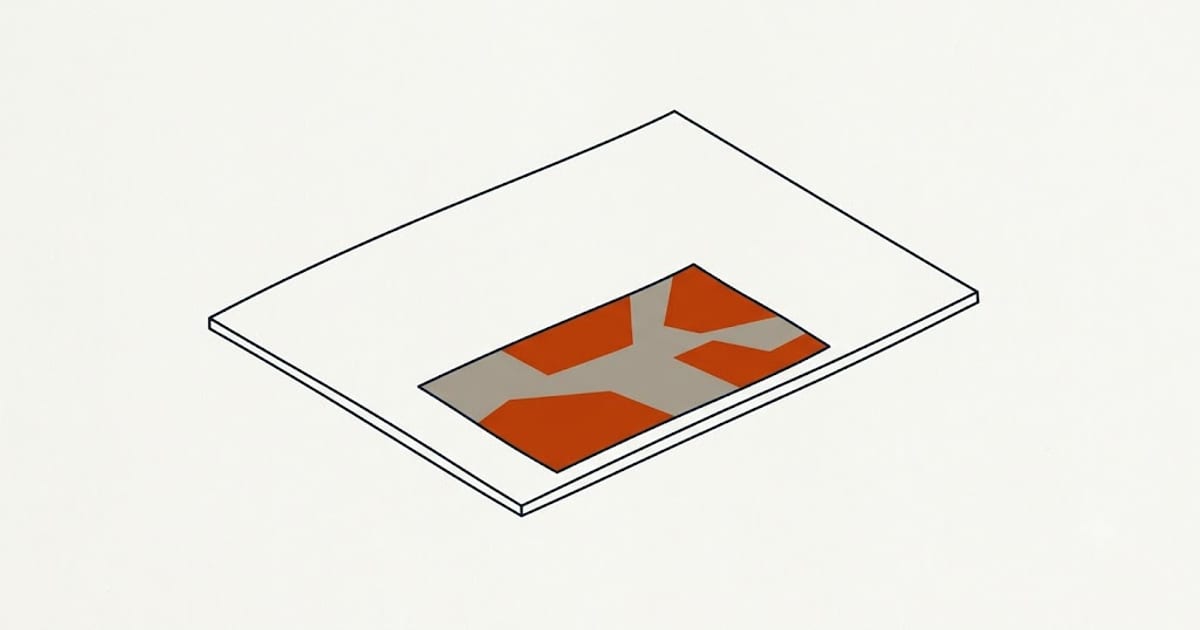
Tear-off is the only moment anyone sees the wall, and on a house of any age it reveals something.
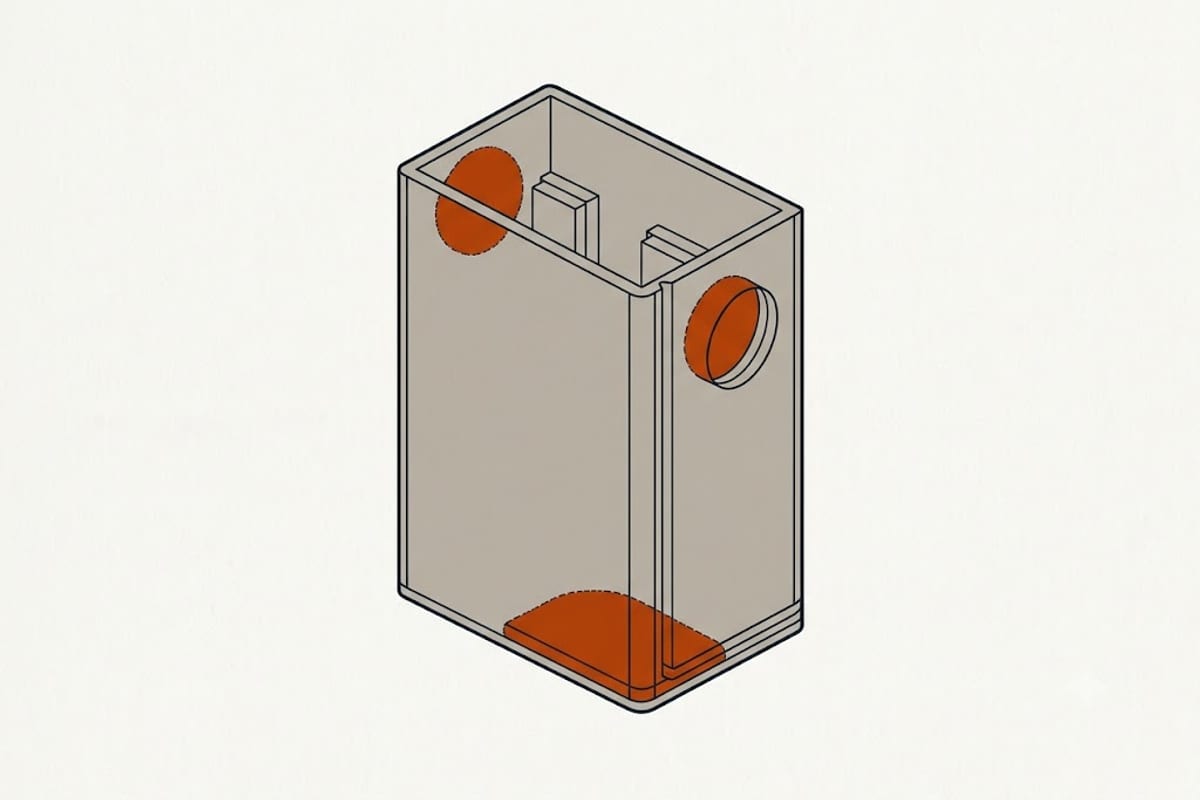
Where it concentrates
Below windows, particularly at the corners of the sill. This is the most common location by a wide margin, and the cause is almost always missing or reverse-lapped flashing at the window.
At the bottom of walls, where splash from the ground and from a path or patio has been hitting the siding for decades.
Behind gutters that overflow, and below any point where two roof planes discharge.
At deck ledgers, where the ledger was fastened through the siding without flashing.
Around penetrations — hose bibs, dryer vents, light fixtures — that were sealed with caulk rather than flashed.
Where the ground has risen against the wall, so siding is in contact with soil.
Each of those has a cause that is still present, which is the point: repairing the sheathing without fixing the flashing repeats the damage.
How it is repaired
Cut back the damaged sheathing to sound material, over the nearest studs so the new panel has something to fasten to.
Inspect and replace any damaged framing — a sill plate, a stud, a header — which is a bigger job and less common.
New sheathing, matched in thickness, fastened to the schedule.
Then the WRB and flashing, done correctly, before the new siding.
How it should be priced
Per sheet, or per square foot, agreed before the tear-off.
That is the arrangement that avoids a dispute. The contractor cannot know how much there will be, and you cannot verify a lump-sum figure produced after the fact.
A quote that says "sheathing repair at cost plus" or "as required" without a unit price is a blank cheque. A quote that includes a fixed allowance is better, provided it states what happens above and below the allowance.
Ask to see it
Photographs of every area repaired, before it is covered, with something for scale.
This is not distrust — it is the only record that will exist, and a contractor doing the work properly will be pleased to show it. It is also what makes the invoice line verifiable.
Insect damage
Carpenter ants and termites both show up during tear-off, and both are a different specialist.
Where insect damage is found, the sequence is treatment first, then repair. Repairing sound-looking timber over an active colony wastes the work.
What to fix while the wall is open
Flashing at every opening, which is the cause of most of what was found.
Grading, where soil is against the wall.
Downspout discharge, where a gutter has been dumping at one point.
Deck ledger flashing, if there is a ledger.
Adding continuous insulation, which is only possible now.
Each is inexpensive relative to the siding and each addresses a cause rather than a symptom.
The contingency
10 to 20% of the project value set aside specifically for what is found, and the higher end on a house older than about forty years or one with any history of leaks.
A budget with no contingency turns a discovery into a stopped job while money is found, and stopped jobs on an open wall are the worst outcome available — the house is unprotected and the crew has moved on.
The upside
A re-side that finds and fixes rot has converted a hidden, progressing problem into a solved one, at the only moment it could be done cheaply.
That is a good outcome, even though it does not feel like one when the invoice arrives.