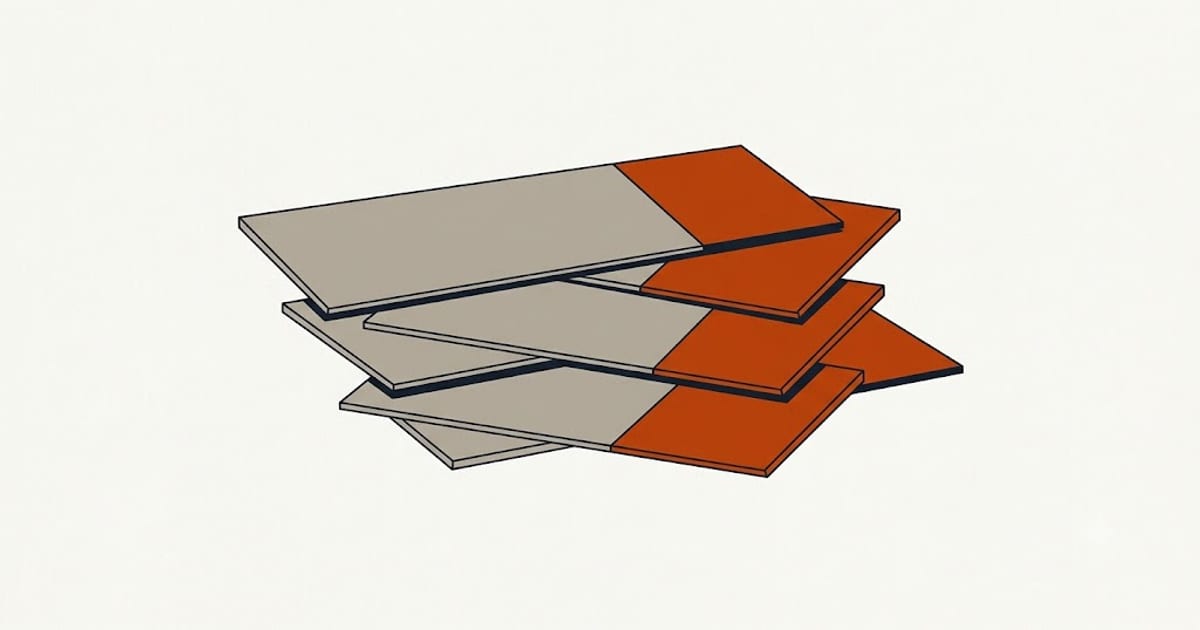
Siding is a rain screen, not a seal. It sheds the bulk of the water and some always gets behind it — through joints, around openings, driven by wind.
What stops that water reaching the sheathing is the weather-resistive barrier, and how it laps.
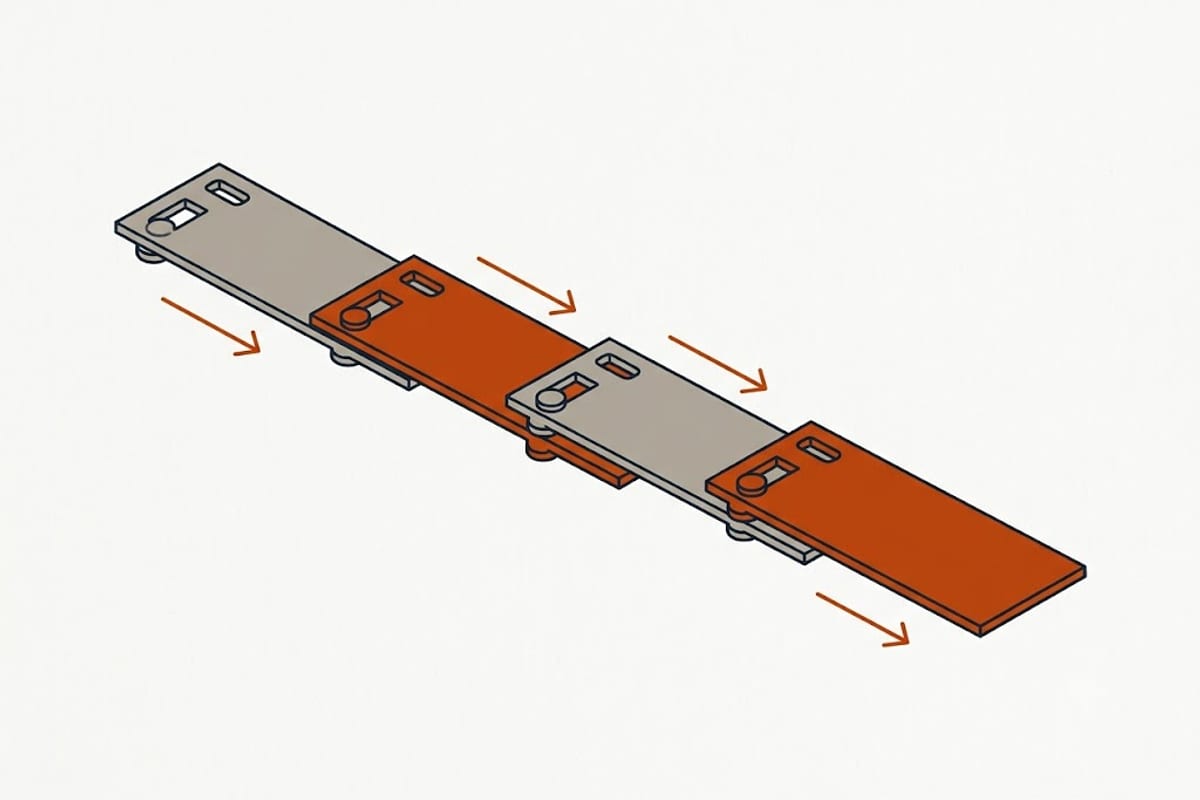
Shingle lapping is the whole principle
Water runs down. Every layer must lap over the one below it, so water travelling down the face of the wrap stays on the outside.
Horizontal seams — upper sheet over lower, by the manufacturer's specified overlap, commonly around 6 inches.
Vertical seams — the downstream sheet over the upstream one, by the specified amount, commonly 6 to 12 inches.
Reverse-lapped wrap funnels water into the wall. It looks identical when finished, and it is one of the most common defects.
Openings are where it matters
The order at a window, from first to last:
Sill pan flashing first, into the opening and out onto the wrap.
The window, set into the opening.
Jamb flashing, lapping over the window flange and over the sill pan.
Head flashing, lapping over the jamb flashing, and tucked under the wrap above.
That last step is the one that gets missed. Head flashing taped over the top of the wrap sends water behind the wrap instead of onto it.
Cut the wrap above the window in an inverted Y, fold it up, install the head flashing, then fold the wrap back down over it and tape.
Wrap or felt
Asphalt felt is the traditional material. It is vapour-permeable, it is inexpensive, and it self-seals around fasteners reasonably well.
Synthetic wrap is stronger, lighter, comes in wider rolls with fewer seams, and holds up better to UV during construction.
Both work. What matters far more than which is chosen is whether it is lapped correctly and whether the openings are flashed.
Taping seams
Seam tape is required by some manufacturers and improves air sealing regardless. It is not what makes the wall waterproof — the lapping is — but taped seams reduce air leakage measurably.
Use the wrap manufacturer's tape. Mixed systems often fail to adhere over time, particularly on the textured surface of some wraps.
UV exposure
Wrap degrades in sunlight. Manufacturers state a maximum exposure period, commonly a few months.
A wall left wrapped over a winter while the siding waits has weakened wrap, and it is worth asking about where a job has stalled.
Drainage gap
Some systems add a drainage plane behind the siding — a crinkled wrap, a drainage mat, or furring strips creating a rain screen cavity.
That gap lets water that gets behind the siding drain freely and lets the wall dry. It matters most in wet climates and behind absorptive claddings, and it is a modest cost while the wall is open.
Why re-siding is the moment
Every one of these details is invisible and permanent once the siding is on. The wall will not be opened again for decades.
Adding proper flashing and correcting reverse laps costs very little compared with the siding itself, and it is the difference between new siding over sound sheathing and new siding over sheathing that is quietly rotting.
What to ask before the siding goes on
Ask to see the wall wrapped and flashed before it is covered, and photograph it — particularly the window heads.
Those photographs are the only record that will exist, and a contractor doing it correctly will have no objection to them being taken.
Penetrations
Every hose bib, light fixture, vent, dryer duct and electrical penetration passes through the wrap, and each one needs the same treatment as a window in miniature: a sealed collar or flashing tape lapped shingle-fashion, not a bead of caulk around the pipe.
Caulk around a penetration fails in a few years and nobody notices until the sheathing behind it is soft.