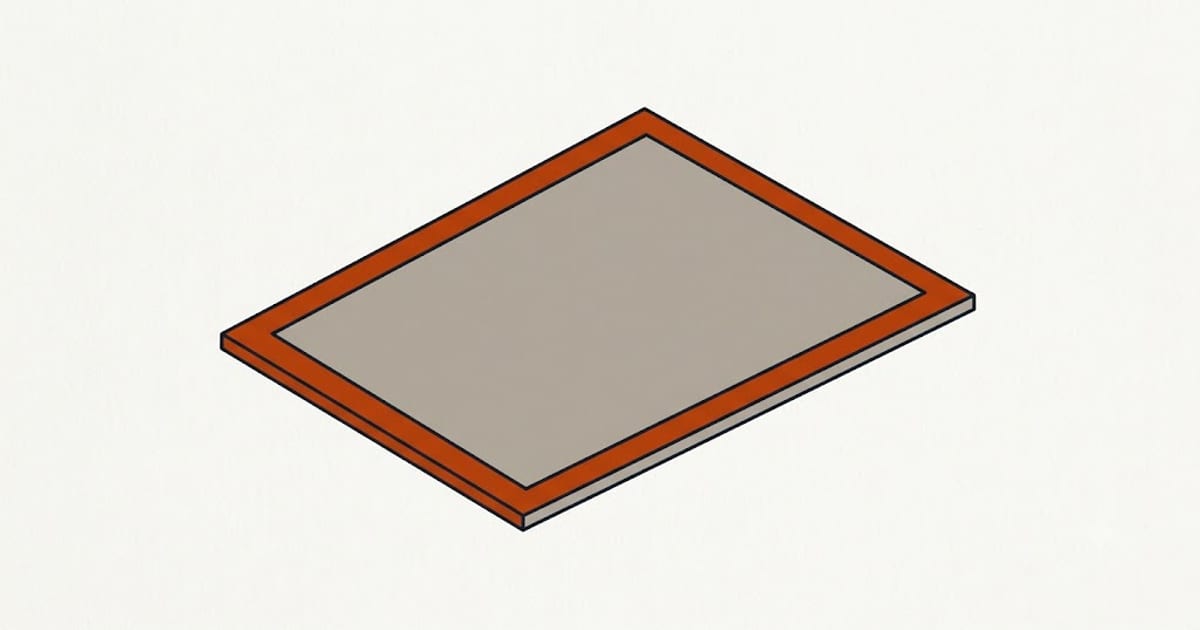
Siding panels cover the field. Trim terminates every edge, and there are more edges on a house than anyone expects.
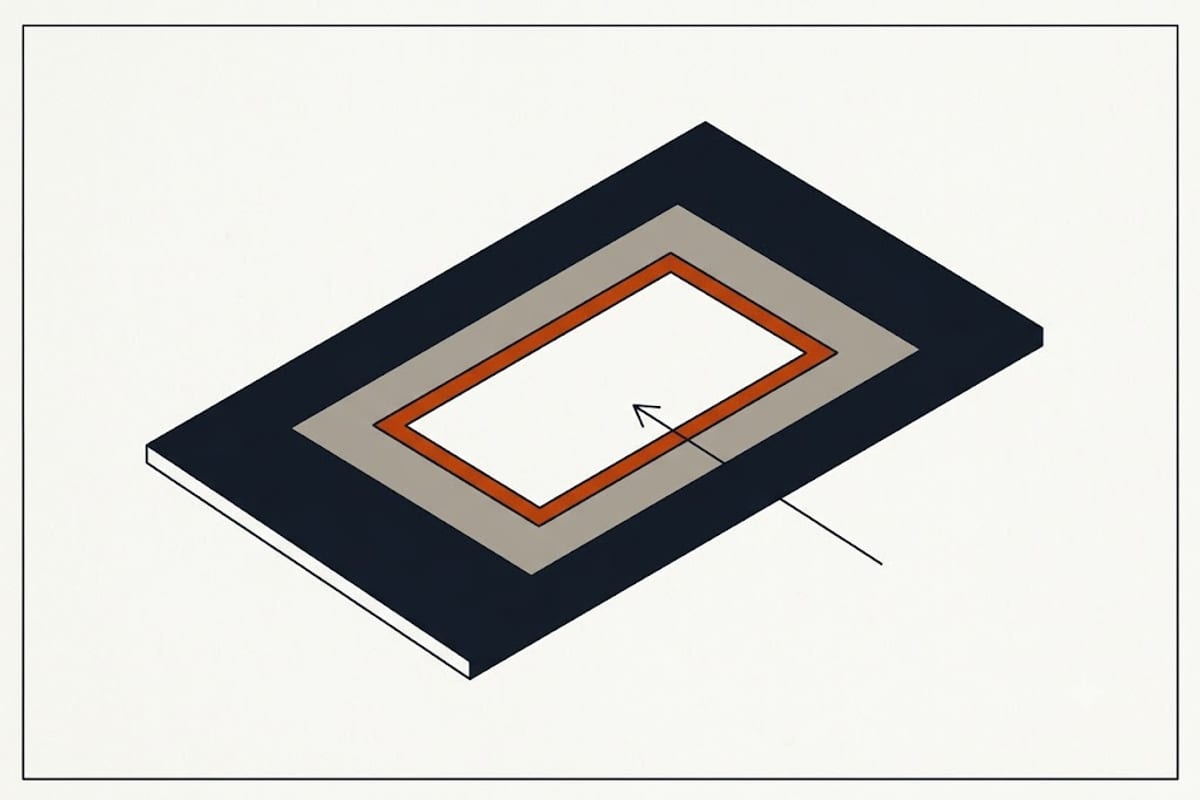
The pieces and where they go
Starter strip — along the bottom of every wall, the full perimeter. It is what the first course locks into, and it is what sets the level for everything above.
J-channel — around every window and door, along every place the siding meets a roof, at the top of walls under the soffit, and at any vertical termination. This is the largest quantity.
Outside corner post — the full height of every outside corner.
Inside corner post — the full height of every inside corner.
Utility trim or undersill trim — under windows and at the top course, where the panel has to be cut and cannot lock into anything.
Fascia and soffit trim, where those are part of the job.
Counting J-channel
Around a window: twice the width plus twice the height, plus a little for the mitres.
Around a door: twice the height plus the width.
Along a roof-wall junction: the length of the run.
At the top of a wall: the width of the wall.
Add these for every opening on every elevation. On a house with fifteen windows, the J-channel quantity is substantial and it is the number most often underestimated.
Waste on trim
10 to 15%, and more where there are many short runs. A ten-foot length used for a three-foot piece leaves seven feet that may not suit anything else.
Order trim in the longest lengths that can be handled, since fewer joints look better and waste less.
Colour matching matters more on trim
Trim is at every edge and every opening, which means it is where the eye goes. A trim lot that differs slightly from the field is more noticeable than a field variation would be.
Order trim and field together, same delivery, same lot where the manufacturer supports it.
Many people deliberately choose a contrasting trim colour, which removes the matching problem and looks deliberate.
The detail that keeps water out
J-channel around a window is not flashing. Water that gets behind the siding runs down the wall behind the J-channel, and it needs to reach the weather-resistive barrier and continue down.
That means the window has to be flashed to the WRB before the J-channel goes on — sill pan, jamb flashing, head flashing, lapped correctly.
Relying on J-channel and sealant to keep water out of a window opening is the most common water-management error in siding, and it is invisible once the trim is on.
Do not caulk everything
Vinyl siding is a drained system. It is designed to let incidental water run down behind it and out at the bottom.
Sealing the bottom edge of the starter strip, or caulking the drainage slots, traps that water in the wall. Manufacturers say so explicitly and it is done anyway, usually by someone trying to be thorough.
Caulk where the manufacturer's instructions say to caulk, and nowhere else.
Expansion at the trim
Vinyl panels must be cut short of the channel — typically about a quarter inch in warm weather and more in cold — so the panel can expand into the pocket.
Panels cut tight to the J-channel buckle in summer. This is a cutting discipline rather than a material issue, and it is the single most common cause of wavy vinyl.
Ordering checklist
Field squares. Starter strip in linear feet. J-channel in linear feet. Corner posts by count and height. Utility trim. Fasteners. Flashing.
Seven lines. Missing any one of them stops the job on the day it is needed.