Every siding estimate carries a waste factor, and the usual number quoted is 10%. On some walls that is generous and on others it is not close.
Where waste actually comes from
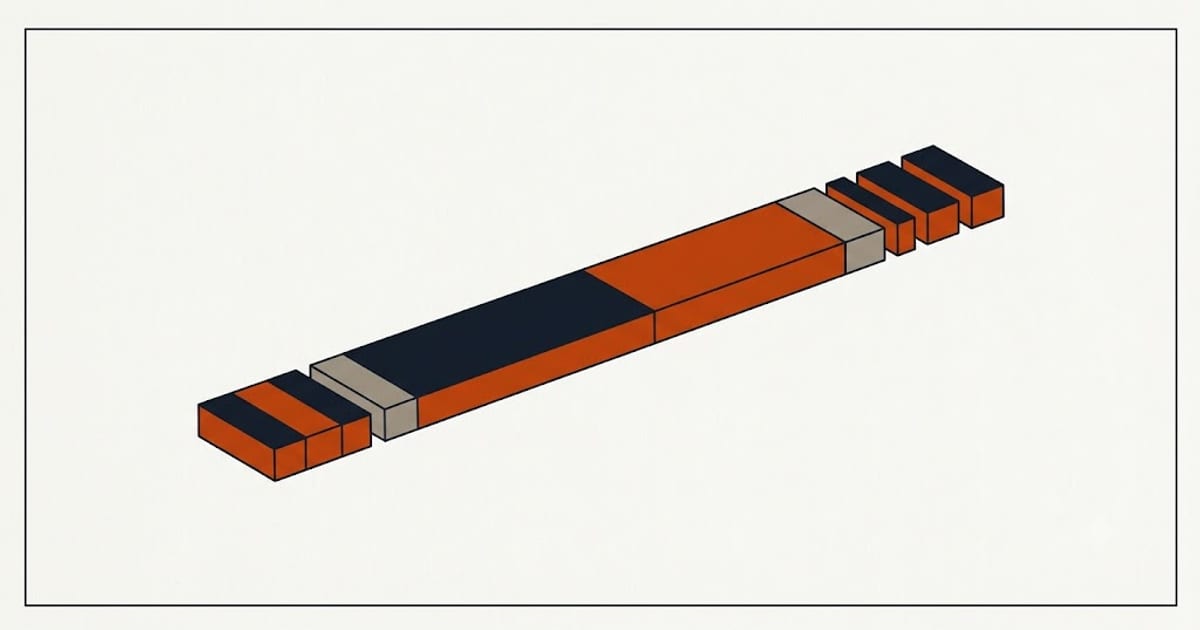
Cutting to length. A 25-foot wall from 12-foot panels leaves a 1-foot piece from every third panel, and a 1-foot piece is usually too short to use.
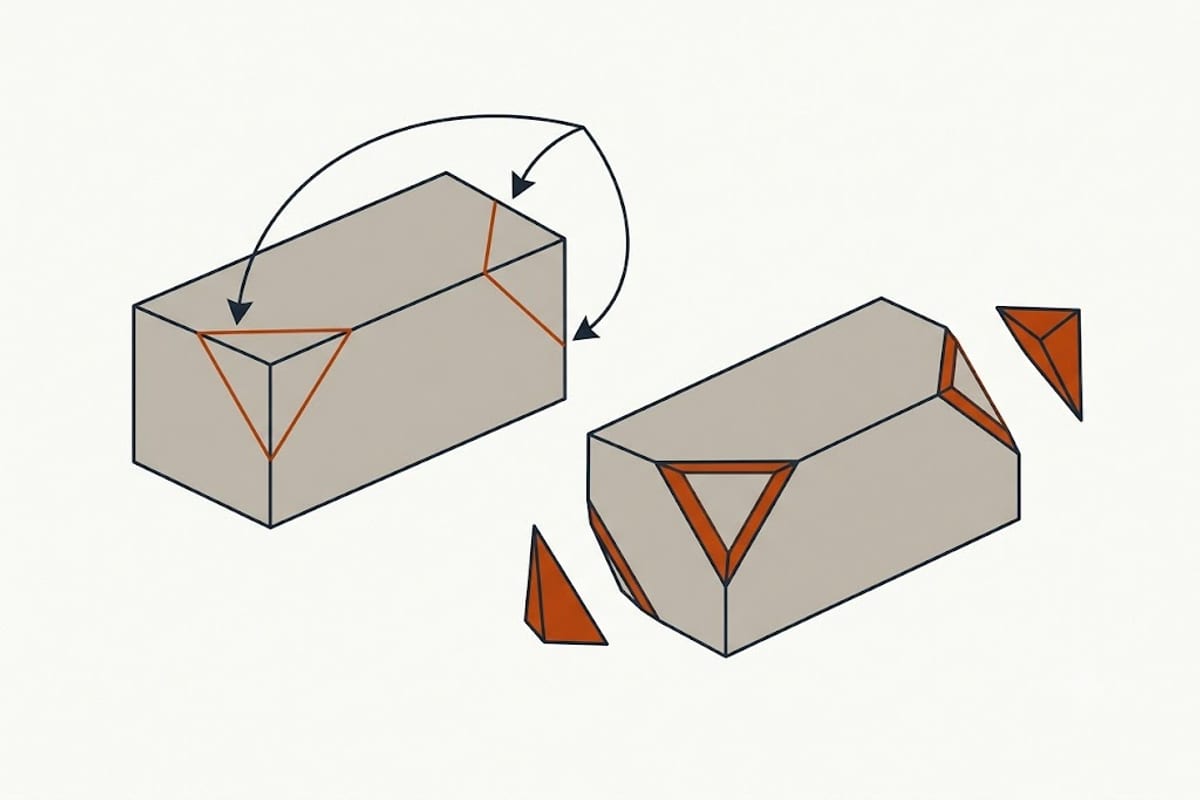
Angled cuts. Every gable course is cut at the roof pitch, and the triangle removed is waste. A steep gable can waste half the material in that area.
Openings. Cutting round a window produces offcuts that are the wrong shape for anywhere else.
Damage. Handling, a bad cut, a panel that arrives scuffed.
Realistic factors
| Wall | Factor |
|---|---|
| Simple rectangle, few openings | 10% |
| Gable ends | 15% |
| Many openings, bump-outs, dormers | 15–20% |
| Directional or patterned product | 20% |
| Shakes and shingles | 15–20% |
Apply the factor per elevation, not to the whole house, because the gable that needs 15% and the plain back wall that needs 10% are not the same wall.
Why running short is expensive
Dye lot. Vinyl and fiber cement colour varies slightly between production runs. A late top-up order can arrive visibly different, and the difference shows most on a wall in direct sun.
Lead time. A specialty colour or profile can take weeks, with the crew gone and the wall part-clad.
Delivery. A second delivery of six panels costs the same in freight as a full pallet.
Ten percent over-ordering is far cheaper than any of these.
Reducing waste rather than budgeting for it
Plan the cuts before starting. Which wall gets the full panels and which gets the offcuts. Long runs first, short returns from what is left.
Use offcuts under windows and above doors, where short pieces belong anyway.
Keep a cut list as the job proceeds so the crew knows what short pieces are on the ground and what lengths still need filling.
A crew that stacks its offcuts and looks at them before cutting a fresh panel wastes noticeably less material than one that does not.
The leftovers
Keep enough at the end for repairs — several full panels of the field colour, and a length of each trim profile.
Store them flat, out of the sun, inside. Vinyl left leaning against a wall in the sun for a year will not match anything by the time it is needed, and the colour will have shifted with the wall's own weathering anyway.
Fifteen years later, a stored panel from the original run is worth more than anything available at a supplier.
What to give a supplier
Wall areas by elevation, minus openings over a threshold, plus a stated factor per elevation, plus the trim linear feet counted separately.
A supplier given a single area figure will apply their own default and it will be a round number that suits an average house. Yours may not be one.
The waste factor is not the contractor's profit
A common suspicion is that the waste allowance is padding. It is worth separating two things on a quote.
Material ordered at a waste factor is material delivered to the site, and the leftovers belong to the homeowner. Labour priced on the wall area is a separate line and does not move with the waste factor.
If a quote shows both, the waste allowance is verifiable. If it shows one lump sum, it is not, which is another argument for itemised quotes.
Disposal is part of the arithmetic
Fifteen percent of a large house in offcuts is a substantial volume of material to remove, and on a tear-off it arrives on top of the old siding coming off.
Skip capacity is sized from that combined figure, and a job that runs out of skip halfway is a job that stops.