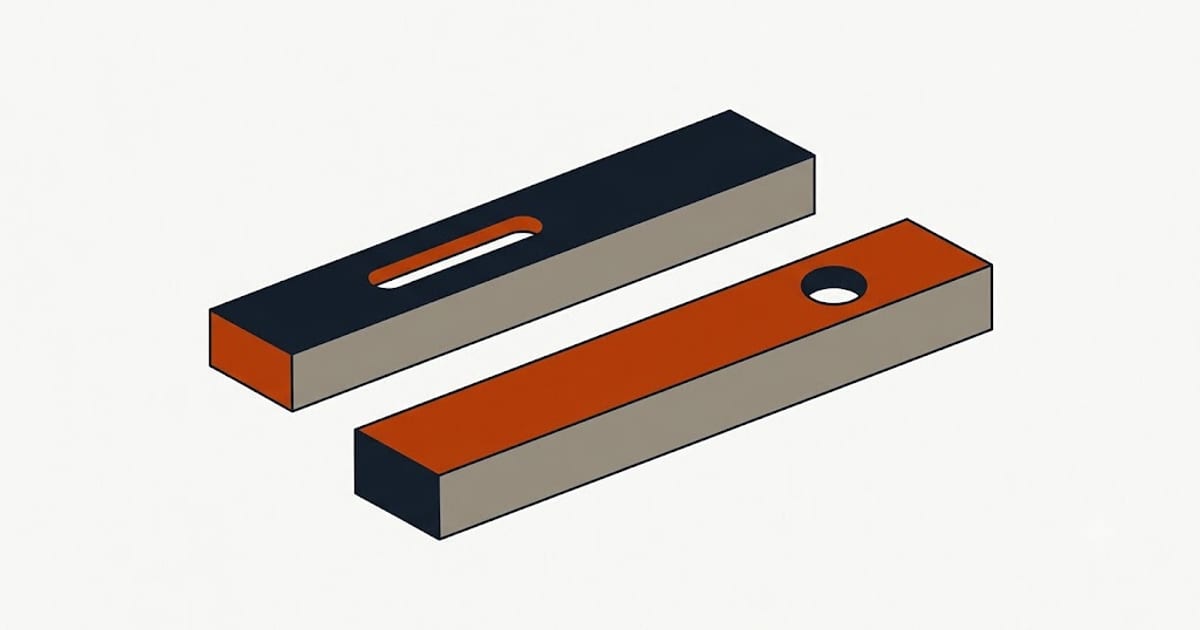
The two dominant siding materials in North America differ in almost every practical respect, and the differences trace back to how each is fastened.
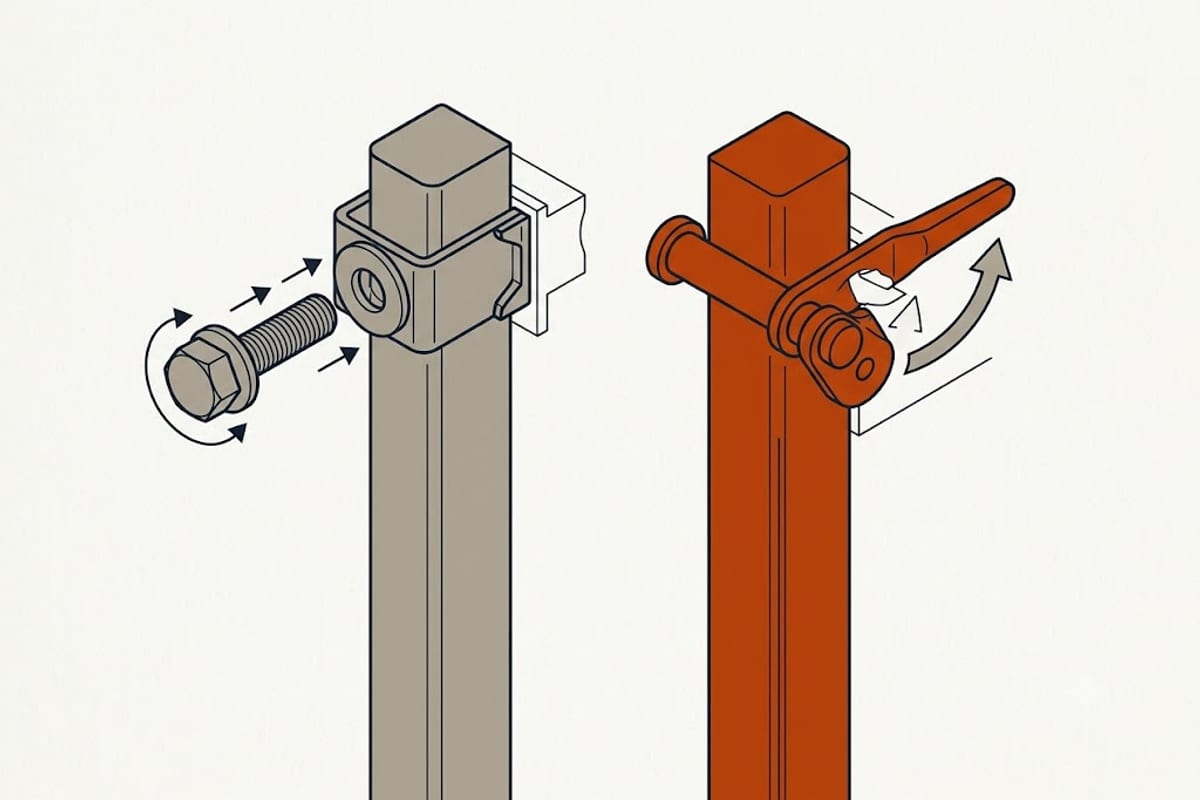
Vinyl hangs
Vinyl expands and contracts substantially with temperature — a long panel changes length noticeably between a winter night and a summer afternoon.
So it is hung, not fastened tight. Nails go in the centre of the slot, driven to leave a small gap under the head, and panels are locked to each other rather than pinned to the wall. Each panel has to be free to slide.
Nail it tight and it buckles in summer. That is the single most common vinyl siding defect, and it is an installation error rather than a product failure.
Fiber cement is fixed
Fiber cement is dimensionally stable and heavy. It is fastened firmly, either blind-nailed through the top edge or face-nailed, and it is caulked and painted.
It does not move, so butt joints need flashing behind them rather than a gap, and cut edges need sealing.
The practical comparison
Cost. Vinyl is materially cheaper and faster to install. Fiber cement costs more in material and considerably more in labour.
Appearance. Fiber cement has a deeper profile and holds paint, so it reads closer to painted wood. Vinyl has improved and still shows its seams and its shallower shadow line.
Colour. Vinyl is coloured through, so scratches do not show and it cannot be repainted reliably. Fiber cement comes primed or factory-finished and can be repainted any colour later — that repaintability is one of its strongest arguments.
Impact. Fiber cement resists hail and impact better. Vinyl can crack in cold weather when struck.
Fire. Fiber cement is non-combustible. This matters in wildfire zones and it is required in some jurisdictions.
Weight. Fiber cement is heavy, needs two people to handle, and cutting it produces silica dust that requires proper respiratory protection and a dust-collecting saw.
Maintenance. Vinyl is washed. Fiber cement is washed and repainted every 10 to 15 years, and the caulk at the joints is a maintenance item.
Where each is clearly right
Vinyl — budget-driven work, rentals, houses being sold, mild climates, and anywhere the labour cost of fiber cement is prohibitive.
Fiber cement — where appearance matters, in wildfire areas, in high-hail regions, on a house being kept long term, and where a specific paint colour is wanted.
The installer matters more than the material
A vinyl job nailed tight, with no expansion gaps at the J-channel, will buckle regardless of the brand. A fiber cement job without flashing behind the butt joints will let water into the wall regardless of the brand.
Both materials perform well when installed to the manufacturer's instructions, and both fail in characteristic ways when they are not. Ask any prospective installer about expansion gaps for vinyl, or about butt joint flashing for fiber cement — the answer distinguishes them quickly.
What is behind both
Neither material is the water barrier. The weather-resistive barrier behind it is, along with the flashing at every opening.
Re-siding is the one opportunity in a house's life to get that layer right, and it costs very little extra while the wall is open. Skipping it because the new siding "will keep water out" is the misunderstanding that leads to rotten sheathing under new siding.
Engineered wood, briefly
A third option sits between the two: engineered wood siding, made from wood strands and resin with a factory finish.
Lighter and easier to cut than fiber cement, deeper profile than vinyl, and it takes paint. It is also a wood product, so cut edges must be sealed and the bottom edge must be kept clear of the ground and of splash.
Where it is installed correctly it performs well. Where the edges are left unsealed it fails from the cut ends inward, which is a maintenance discipline rather than a material fault.
Insulated vinyl
Vinyl with a foam backing bonded to it. It is more rigid, so it lies flatter and looks less wavy, and it adds a modest amount of insulation.
The rigidity is the real argument — flat vinyl on an uneven wall is the most common aesthetic complaint about the material, and the foam backing addresses it directly. It costs more and it is worth considering on a wall that is not flat.