A wavy vinyl wall is almost always one fault, repeated across the elevation: the panels were nailed tight.
How much vinyl actually moves
A 12-foot panel changes length by more than half an inch between a winter night and a dark wall in July sun. That is not a rounding error — it is more than the width of the nail head holding it.
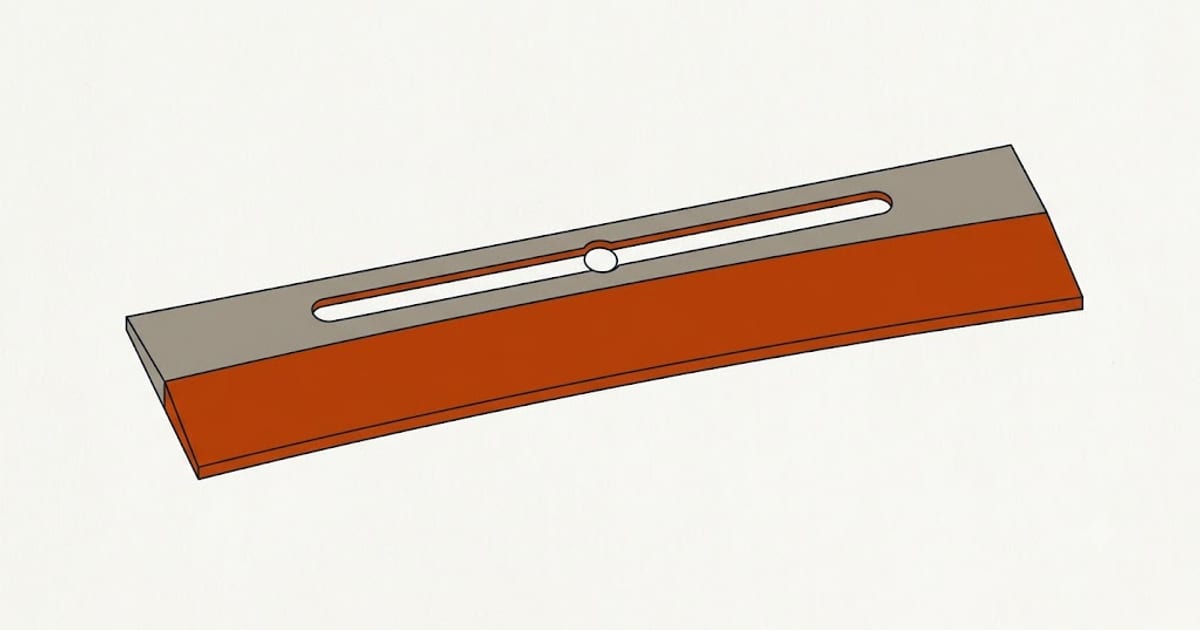
Vinyl siding is designed to accommodate that. It hangs from nails through elongated slots, and it is meant to slide freely along them. It is a hanging system, not a fastened one.
Restrain it and the expansion has nowhere to go but outward, which is the bow you are looking at.
The five installation rules, and what breaks
1. Nail in the centre of the slot. Not at either end. Centring gives movement in both directions.
2. Leave the nail head about 1/32 inch off the panel — roughly the thickness of a dime. The panel should slide side to side with a light push after nailing. If it cannot, it is too tight.
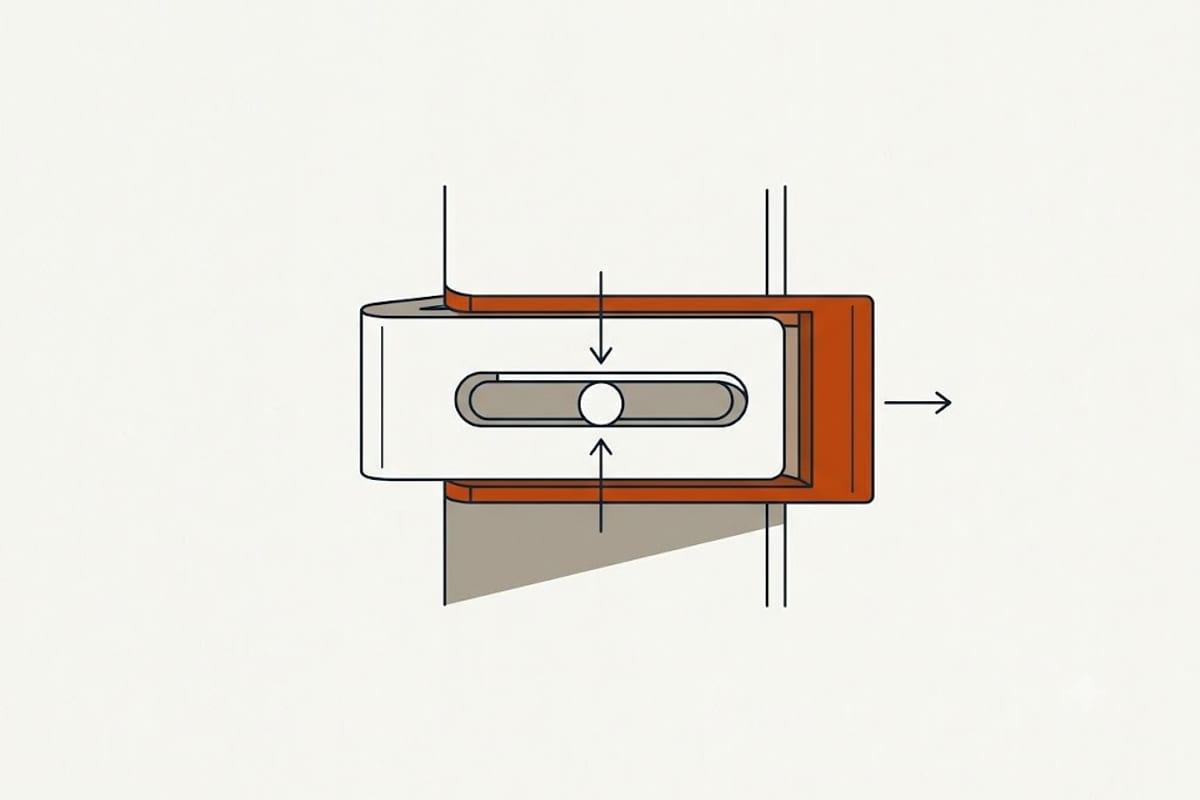
3. Never nail through the face. A face nail is a fixed point in a system that has to move, and the panel will crack or buckle around it.
4. Leave ¼ inch clearance where panels meet trim — J-channel, corner posts, around windows. In cold weather, leave 3/8 inch, because the panel is already contracted and will grow.
5. Overlap panel ends by about an inch, staggering the joints between courses.
How to tell which fault you have
Long, gentle waves along a whole course. Nailed too tight, or no room left at the trim. The classic case.
Buckling only in direct afternoon sun, going flat in the evening. Definitely thermal, definitely restraint. This one is diagnostic — go and look at the same wall at 8am.
A localised bulge at one point. A face nail, or something behind the siding — a fastener, debris, or a wall that is not flat.
Waves near the ground on a south wall. Heat reflected off a deck, a patio, or light-coloured paving. A grill or a fire pit close to the wall can melt vinyl outright, and dark siding is far more susceptible.
Panels pulling out of the lock at the bottom. Not thermal — a fastening or a lock engagement problem, and it will get worse in wind.
Whether it can be fixed without replacing
Often, and it is worth trying before re-siding.
Vinyl siding comes apart from the top down with a zip tool that releases the lock between courses. An installer can unlock the affected course, back the nails off, re-drive them centred and loose, and relock it. Where the panel is jammed against trim, the end can be trimmed to restore clearance.
Panels that have been permanently deformed by heat will not flatten — those get replaced individually. This is where matching becomes the problem: colour varies between production runs, and a replacement panel from a different lot is visible in daylight.
Two things that make it far more likely
Dark colours. A dark panel in summer sun can reach 160°F or more, against maybe 120°F for a light one. Manufacturers make specific formulations for dark colours for exactly this reason — and if the siding is dark, standard-formulation panels were the wrong product.
Winter installation. The panel is already contracted, so it needs more gap at the trim than a summer install. Installers who do not adjust for the season produce walls that look perfect in February and wave in July.
What to say when you call the installer
Not "the siding is defective". Ask them to check nail centring, nail tightness, and clearance at the trim on the affected wall.
Those three are the workmanship, they are checkable in minutes by lifting one course, and naming them changes the conversation from a product argument into a specific one.