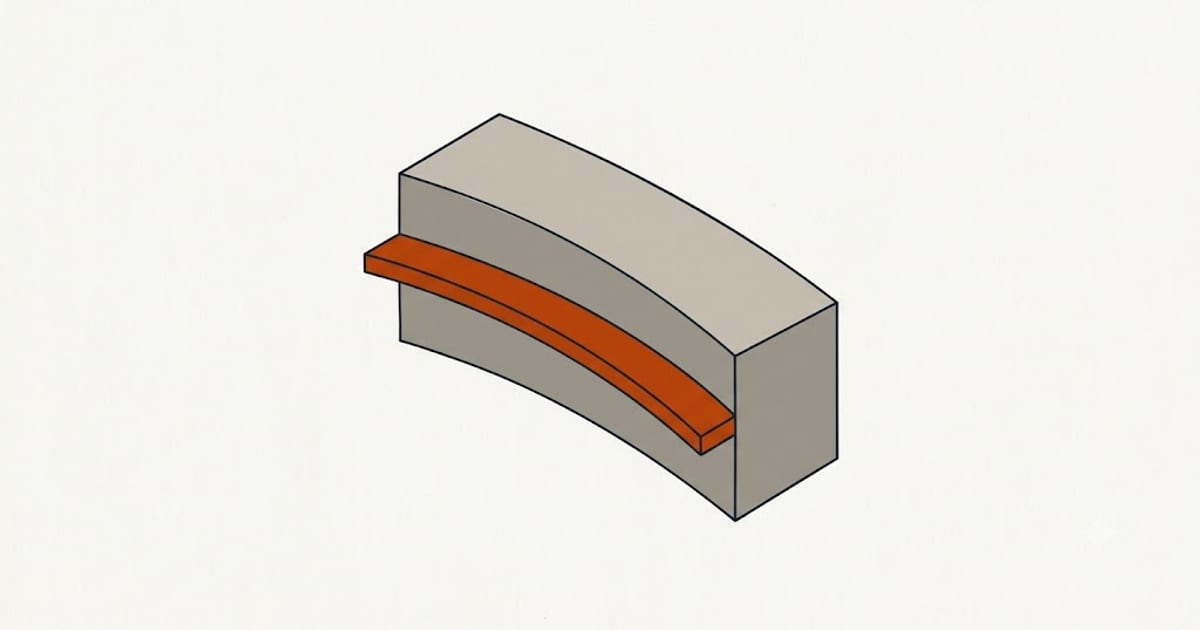
Insulated vinyl siding is standard vinyl with a contoured expanded polystyrene backer bonded to it, shaped to fill the void behind the panel.
It costs more than standard vinyl and it does two things.
The R-value, honestly
The added R-value is modest — the foam is thin, and it is interrupted at every stud by nothing, because the siding is on the outside of the wall.
Manufacturers publish figures and they are real. They are also small relative to what the wall already has, and small relative to what continuous rigid foam under the siding would add.
If the goal is genuinely insulation, continuous rigid foam over the sheathing during a tear-off does far more, and it is a different product decision entirely.
The rigidity is the real benefit
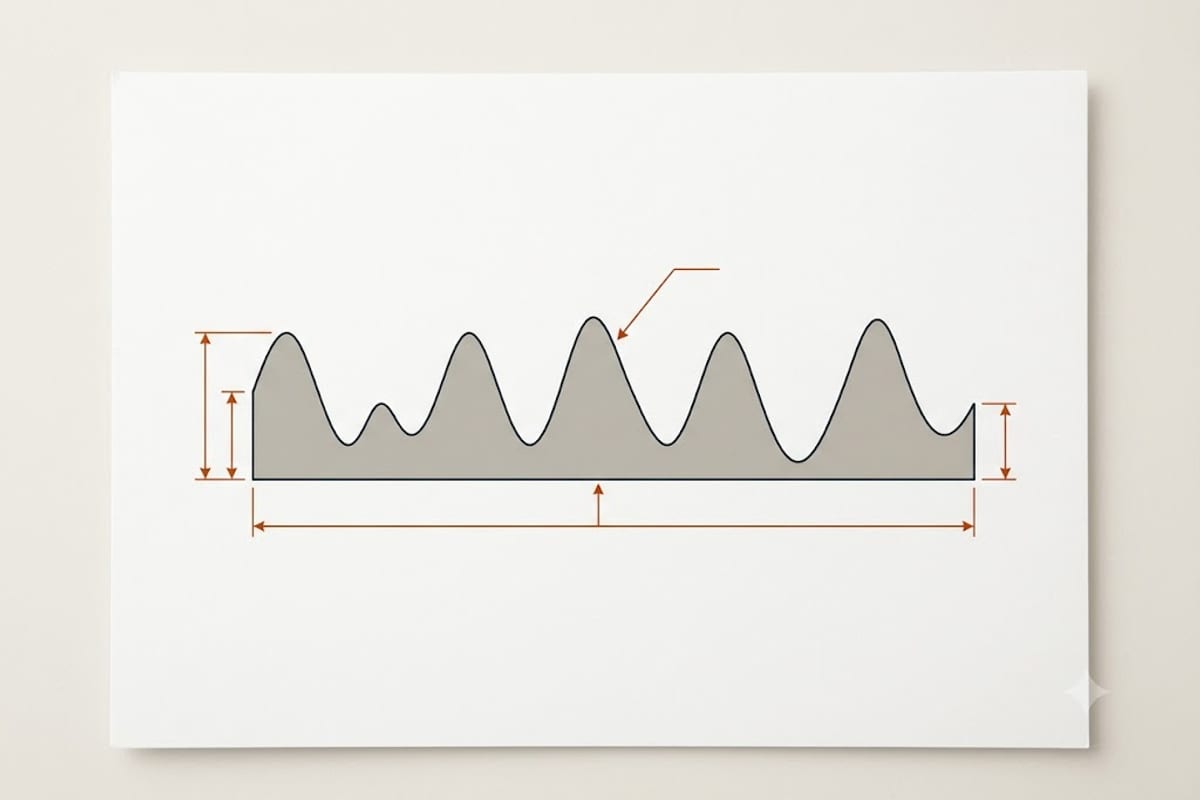
Standard vinyl is thin and flexible. It follows every irregularity in the wall behind it, and it oil-cans — the visible waviness in the middle of a panel that catches raking light.
The foam backing fills the panel and makes it rigid. It lies flat, it resists impact, and it does not oil-can.
On a wall that is not perfectly flat — which is most walls, particularly on older houses — this is a visible difference from the street, and it is what people notice afterwards.
Sound
The foam damps the panel, and insulated siding is noticeably quieter in wind and rain than standard vinyl. It also rattles less, which is a common complaint about the material.
Impact
The backing supports the panel, so it takes a hit — hail, a ball, a ladder — considerably better than hollow vinyl, which cracks in cold weather.
What it costs
More than standard vinyl per square, and installation is broadly similar, so the premium is mostly material.
Against fiber cement it usually remains cheaper installed, because fiber cement's labour is the larger part of its cost.
The trade-offs
Thickness. It stands further off the wall, which affects how windows and doors sit and may need deeper trim. On a re-side over existing siding, the combined thickness can be substantial.
Weight and handling are slightly greater, though it remains a light material.
Drainage. The foam has channels moulded into it, and the assembly still has to drain. Manufacturer instructions on this are specific and are worth following rather than improvising.
Where it makes sense
An uneven wall, which is the strongest case.
A house where the appearance of the finished wall matters and fiber cement is out of budget.
A noisy or exposed site, where the damping is welcome.
Where a modest R-value improvement is a bonus rather than the reason.
Where it does not
A flat, well-sheathed new wall, where standard vinyl will lie flat anyway.
Where the budget is the constraint and the money would do more elsewhere — air sealing the attic, for instance, returns far more per dollar.
Where real insulation is the goal, in which case rigid foam under standard siding is the honest answer.
How to judge it in person
Look at a house sided in each, from an angle, in low afternoon sun. The difference in flatness is obvious in raking light and invisible head-on at midday.
That is the comparison worth making before deciding, and it is more informative than any R-value figure in the brochure.
Warranty terms
Insulated products often carry longer warranties than standard vinyl, and the terms are worth reading for the same reasons as any other — what is covered, for how long, and whether it transfers at sale.
Fade coverage in particular varies a great deal between products and is the term most likely to matter over a twenty-year life, because fading is what makes older vinyl look old.