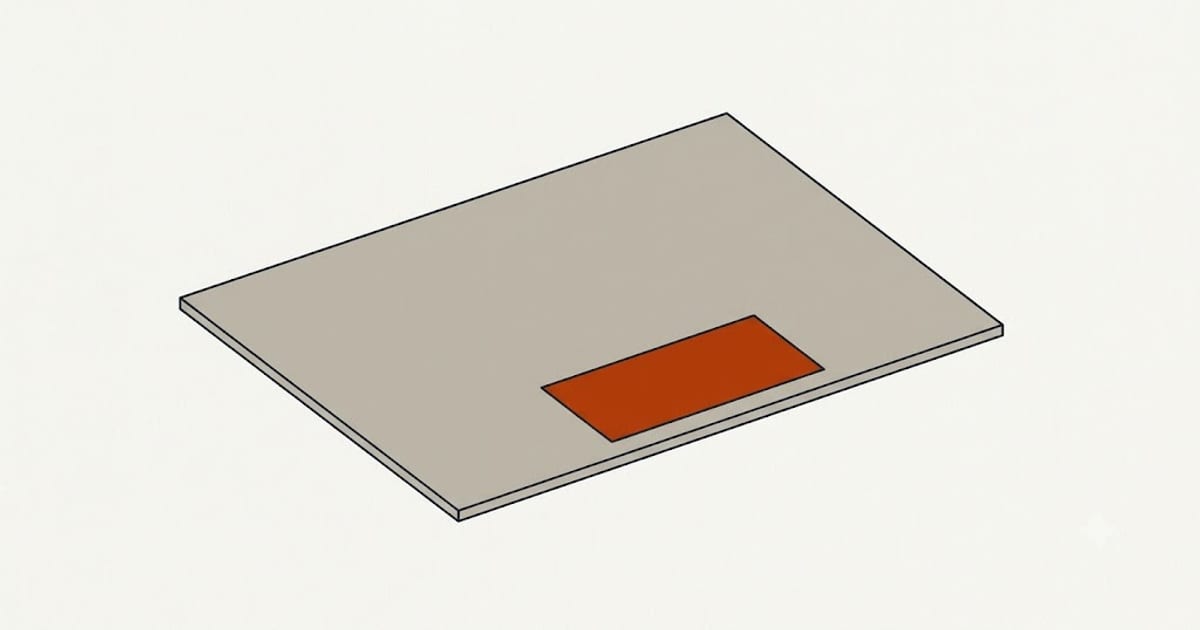
A section of siding is damaged. The immediate question is whether to replace those pieces or reclad the elevation, and the honest answer depends on three things.
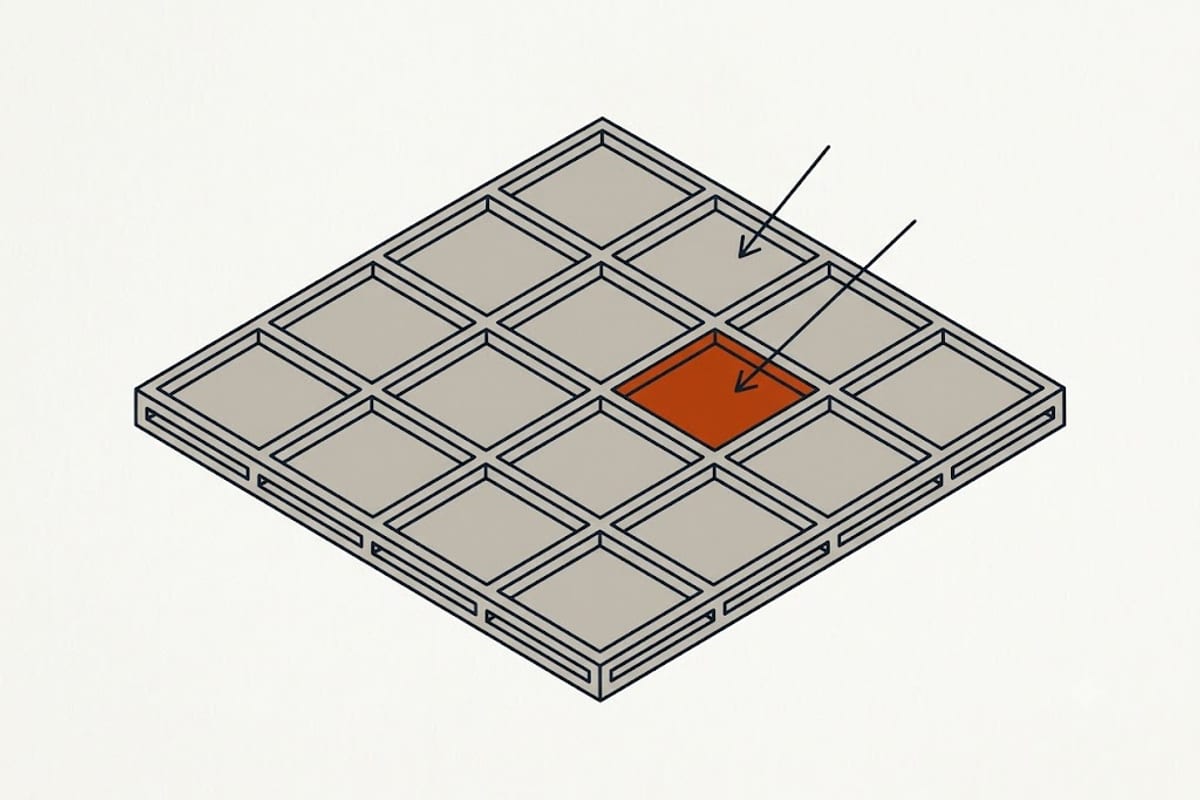
First: why is it damaged
Impact — a ladder, hail, a branch. Local, unrelated to the rest of the wall, and a repair is the right answer.
Water — staining, soft sheathing, damage concentrated below a window or at a roof junction. The siding is a symptom. Replacing the pieces without correcting the flashing behind them means doing it again.
Age — brittleness, widespread fading, cracking at fastener holes. If the material is failing at one place because it is old, the rest is the same age.
Only the first case is genuinely a repair.
Second: will it match
Cladding installed more than a few years ago has weathered. New material of the identical product and colour will read as new.
How much this matters depends on the wall. A patch low on a rear elevation is invisible in practice. A patch beside the front door is not.
If original leftovers were stored indoors, they will match reasonably well and this problem largely disappears — which is the argument for keeping them.
If the product is discontinued, matching means finding the nearest current profile and accepting a visible difference, or reclading.
Third: how much of the wall
Rough thresholds that most contractors work to:
Under about 10% of an elevation — repair, and accept the match as it comes.
10–30% — judgement, weighted by visibility and by whether the material is still available.
Over about 30% — reclad the elevation. At that point the labour of careful piecing-in approaches the labour of a clean run, and the result is better.
Reclad by elevation, not by patch. A whole wall in new material reads as intentional; a wall half old and half new does not.
The repair itself
On vinyl, a zip tool unhooks the course above so the damaged panel can be slid out and a new one hooked in. It is genuinely a straightforward repair and does not require removing anything above.
On lap siding that is face-nailed, the damaged board is cut out, the nails in the course above released, and the replacement slipped in and sealed. More involved, still routine.
On shingles and shakes, individual units pull and replace easily and match badly, because weathering is the entire appearance.
What to do while it is open
Whatever the cause, look at the sheathing and the WRB behind the removed section. It is the only free look you will get at the inside of that wall.
If the WRB is torn, missing, or lapped the wrong way, correcting it there costs almost nothing. Discovering it later costs the wall.
The case for waiting
If the cladding is 25 years old and the damage is small and hidden, a repair that buys five years while a full replacement is planned and budgeted is a reasonable decision rather than a compromise.
What is not reasonable is repairing water damage without finding the water.
Insurance
Impact damage from hail or a fallen branch is frequently a claim, and the question the adjuster asks is the one above: can the damaged sections be matched.
Where the product is discontinued and no match exists, many policies cover replacing a larger area than was damaged, sometimes a full elevation. That is worth knowing before accepting an estimate written for a dozen panels.
Photograph the damage before touching anything, and keep the product information if it is known.
One elevation at a time is a valid plan
Reclading a house one wall per year is not an elegant approach but it is a common and workable one, particularly when the walls are different colours of weathering anyway.
Start with the wall that is failing and the wall most visible from the street, and expect the final result to be uniform once everything has been replaced.