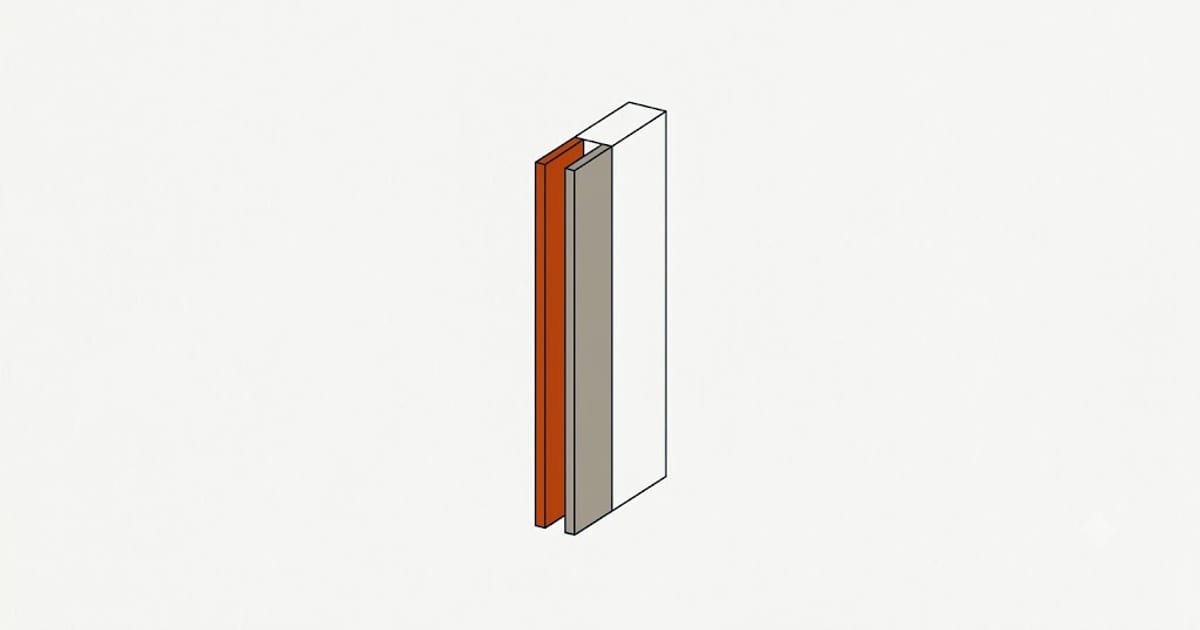
Installing new siding directly over the existing cladding is common, permitted in many jurisdictions, and genuinely cheaper. It also forecloses the one opportunity to see the wall.
What it saves
Tear-off labour, which is a significant share of the job.
Disposal, which is a real cost by volume and much more where the old material requires special handling.
Time, which on a house being lived in matters.
What it costs, beyond money
The wall stays unseen. Rot in the sheathing, missing flashing at the windows, insect damage, and any past leak all remain, sealed in.
Existing problems continue. A window that has been leaking into the wall for ten years keeps doing so, and now there is a new layer over the evidence.
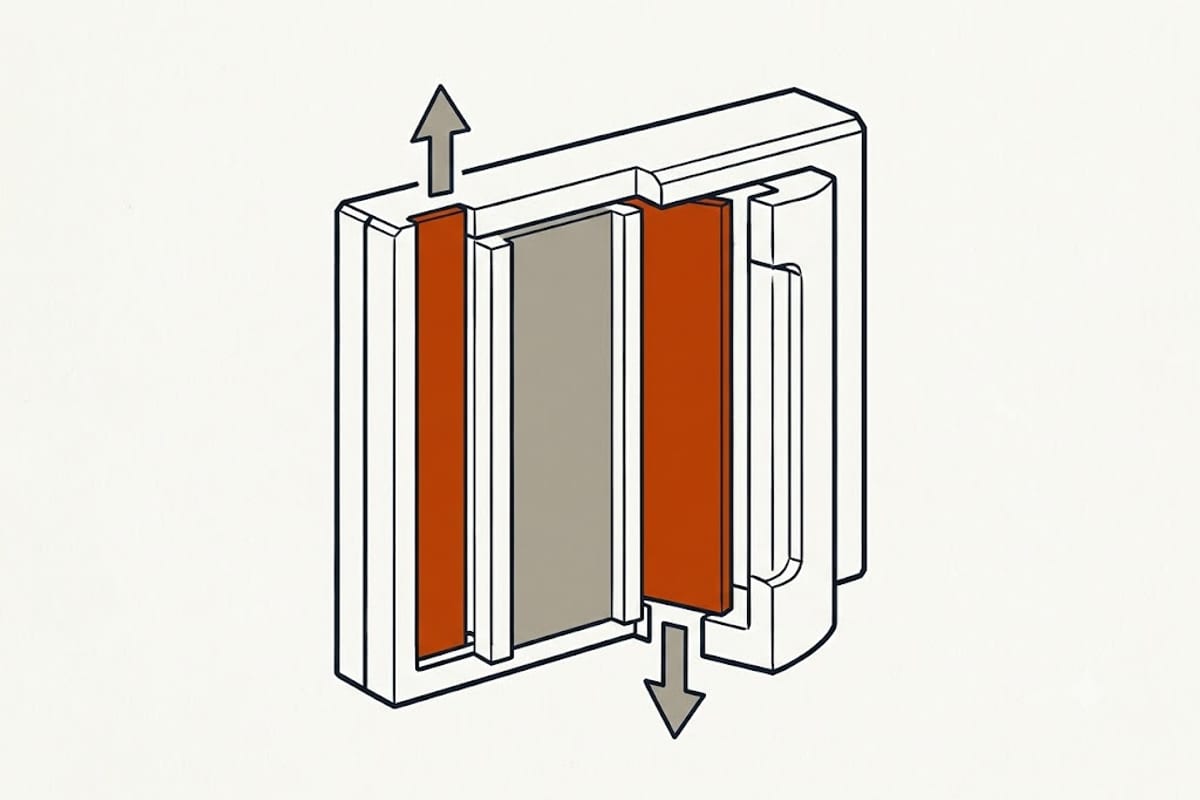
Thickness. Two layers push the new siding out, and the windows and doors no longer sit proud of it the way they were designed to. Extension jambs and deeper trim are the remedy and they cost money and rarely look as good.
Weight, on some assemblies.
A flat surface is not guaranteed. New siding over an uneven old layer telegraphs the unevenness, and furring strips to correct it eat into the saving.
When siding over is reasonable
The existing siding is sound and flat, with no rot, no cupping and no missing pieces.
Flashing at the openings is known to be correct, which usually means the house is recent enough that it was done to modern practice.
There is no history of water problems — no interior staining, no soft spots, no past leaks.
The wall is checked, at least in a few places, rather than assumed.
The trim thickness works out, which is checked at a window before committing.
When it is a false economy
Any known or suspected water intrusion.
An older house where flashing practice at the time was minimal or absent.
Cupped, cracked or missing siding, which means the surface is not flat and the wall behind it has been exposed.
Where the new siding is fiber cement or another heavy material, which most manufacturers require to be fastened into the structure rather than through an intervening layer.
Where insulation is being added, since that is done during a tear-off.
The compromise that usually works
Open a few areas — below a window on each elevation, at the bottom of a wall, and at any corner that looks suspect — and look at the sheathing and the flashing.
If those are sound, siding over is a reasonable decision made with information. If any of them are not, the tear-off has already paid for itself by finding it.
That inspection costs a few hours and it converts a gamble into a choice.
Local rules
Many jurisdictions limit the number of cladding layers, and some require tear-off for a permit. Ask before planning around the saving.
Where asbestos cement siding is present, tear-off is not a simple decision at all — it becomes a specialist removal, and siding over it is sometimes the recommended approach precisely because disturbing it is worse.
The honest summary
Siding over saves money on a house where the wall is sound. On a house where it is not, it converts a repairable problem into a hidden one, and the next person to open that wall is doing so because something has failed visibly inside.
Insulation, and the opportunity cost
A tear-off is the moment continuous exterior insulation can be added — rigid foam over the sheathing, under the new WRB and siding. It improves the wall's performance more than anything achievable from inside.
Siding over the old cladding forecloses that for the life of the new siding, which on vinyl is decades.
For a house in a cold climate being kept long term, that opportunity cost is worth weighing against the tear-off saving, and it usually favours the tear-off.
What the finished job looks like
The visible difference is at the openings. Windows that sat proud of the old siding sit flush or recessed against the new, and the trim has to be built out to compensate.
Look at a house that has been sided over and one that has not, and the window detail is where it shows. Whether that matters is a judgement, and it is worth making before the work rather than noticing afterwards.